Fire Extinguisher Selection Guide for Commercial Kitchens
Running a commercial kitchen involves managing high heat, open flames, hot oils, and fast-paced environments. With so many moving parts, having the right fire protection equipment isn’t just a smart business practice—it is essential for code compliance and protecting your staff and investment.
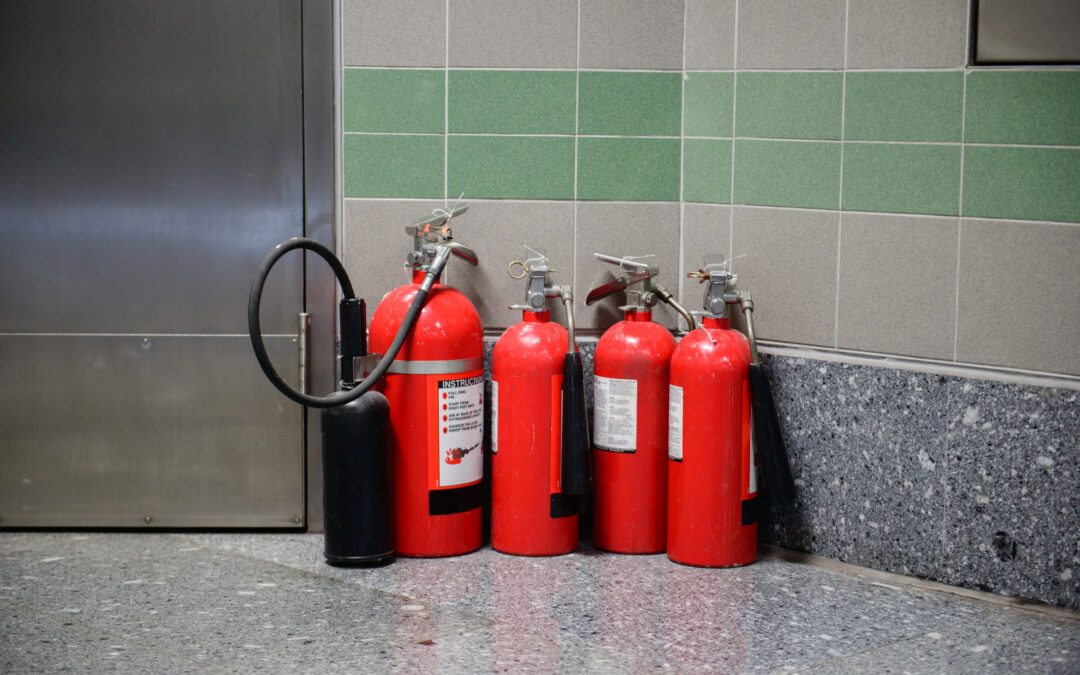
When a fire breaks out, using the wrong type of extinguisher can actually make the situation worse. Here is a clear guide on the differences between Class K, ABC, and CO₂ extinguishers, where to place them, and how to keep them inspected and compliant.
Understanding Extinguisher Types in a Kitchen Environment
Not all fires burn the same fuel. Commercial kitchens typically require a combination of specialized extinguishers to cover different hazards:
Class K Extinguishers (The Kitchen Essential)
-
Primary Use: High-temperature cooking fires involving combustible cooking media such as vegetable oils, animal fats, and grease.
-
How They Work: Class K extinguishers release a wet chemical agent that creates a thick foam layer over the burning oil (saponification). This smothers the fire, cuts off oxygen, and cools the hot liquid below its ignition point to prevent reignition.
-
Why You Need One: Water or standard dry chemical extinguishers can cause hot grease to splatter violently, rapidly spreading the fire. Class K models are specifically engineered for commercial deep fryers, griddles, and ranges.
Class ABC Dry Chemical Extinguishers
-
Primary Use: General facility hazards including Class A (wood, paper, trash), Class B (flammable liquids like gasoline or paint), and Class C (energized electrical equipment).
-
How They Work: They discharge a dry chemical powder (monoammonium phosphate) that smothers the flame and interrupts the chemical reaction.
-
Where They Belong: Place these in dining areas, storage rooms, breakrooms, and office spaces away from active cooking lines. Avoid discharging dry chemical extinguishers directly over food prep surfaces, as the powder is difficult to clean up and will contaminate kitchen equipment.
Carbon Dioxide (CO₂) Extinguishers
-
Primary Use: Class B flammable liquids and Class C electrical fires.
-
How They Work: CO₂ displaces oxygen to suffocate the flame while providing a cold discharge.
-
Why They’re Useful: CO₂ leaves zero residue behind, making it an excellent option for protecting electrical panels, computer systems, point-of-sale (POS) terminals, or delicate electrical gear in non-grease areas.
Proper Placement Guidelines
Proper placement ensures quick access when seconds count. Keep these guidelines in mind for your facility:
-
Class K Proximity: Mount Class K extinguishers within 30 feet of travel distance from all cooking appliances utilizing combustible cooking media (fryers, ranges, charbroilers).
-
Clear Accessibility: Never block extinguishers with trash cans, food crates, or prep tables. Ensure a minimum 36-inch clear path.
-
Mounting Height: Extinguishers weighing under 40 lbs should be mounted so the top of the handle is no more than 5 feet off the floor.
-
Signage: Install high-visibility wall signs above extinguishers so they can be spotted quickly through smoke or across a busy kitchen line.
Inspection & Maintenance Schedules
To remain compliant with local California fire codes and OSHA requirements, stick to a strict maintenance routine:
Monthly Visual Checks (In-House):
-
-
Verify the extinguisher is in its designated location and unblocked.
-
Check that the pressure gauge indicator is in the green operable zone.
-
Ensure the safety pin and tamper seal are intact.
-
Inspect for physical damage, rust, or nozzle clogs.
-
Initial and date the tag on the back.
-
-
Annual Professional Maintenance:
-
Fire code requires an annual inspection by a licensed technician who will examine mechanical parts, chemical levels, and issue an updated compliance tag.
-
-
Hydrostatic Testing & Internal Maintenance:
-
Depending on the type (generally every 5 or 6 years for internal maintenance and 5 to 12 years for hydrostatic testing), cylinders must undergo pressure testing to ensure structural integrity.
-
Protect Your Kitchen with Eureka Oxygen Company
Keeping your commercial kitchen safe and fully compliant shouldn’t be a guessing game. Eureka Oxygen Company offers complete
Whether you need new Class K extinguishers, annual code inspections, or
Need an inspection or equipment quote?